

This website uses cookies so that we can provide you with the best user experience possible. Cookie information is stored in your browser and performs functions such as recognising you when you return to our website and helping our team to understand which sections of the website you find most interesting and useful.
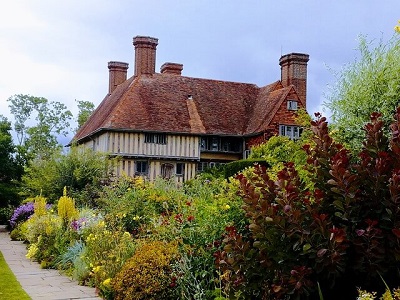 Every gardener’s dream is to have impeccable flower beds filled with colourful flowers, beautiful tall trees with rich green crowns, and tasty fresh vegetables and herbs. Unfortunately, this marvellous vision is often clouded by the wings and many legs of garden pests. Dorset, being in the Southeast parts of the UK, is known for its warm and humid weather which is perfect for the development of all kinds of nasty creatures. Regrettably, it is difficult to spot the persistent pests at first glance and usually, you discover them when they have conquered and destroyed half of your precious garden. Here is the first part of our short guide of the most common pests and ways to recognise if they have infested your backyard.
The Silent Garden Killer
Aphids are a tiny, almost transparent insect that feeds with sap from the garden plants. They are known under many different names like plant lice, greenfly and blackfly. Usually, aphids grow to 7 mm long and their main food is leaves, flowers, stems and root sap. Any plant can be food for those hungry bugs, and the colony can grow in numbers extremely fast. Outside of the greenhouse aphids are active during the warm months – from early spring until late summer.
Things to look for if your plants have aphids:
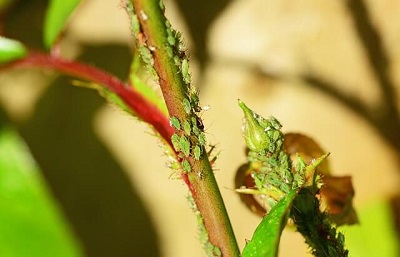 You can see the tiny creatures covering the flower buds, the plant’s stem, or the back of its leaves.
- The newly grown leaves are smaller and with irregular shape due to the malnutrition of the plant caused by the aphids.
- Leaves tend to lose their healthy colours and their ages start to curl towards their underside.
How can you help your garden plants:
- One of the best ways to get rid of aphids is by starting to care for a colony of ladybirds. Yes, you heard correctly, ladybirds are a natural enemy of the plant lice and can easily help you save your flowers.
- Another way is by spraying the affected plants with specially created pesticides. Go to your local garden market and choose from a variety of synthetic and natural bug-killing solutions.
The Always Hungry Slugs
Slugs, they are long with a dark colour, leave slimy prints and love feast with the leaves of your flowers and vegetables. To simply put it, the slug is the unpleasant, shell-less cousin of the well-known snail. Some species of slugs can grow more than 10 cm in length and unfortunately, slugs are active trout the whole year. Their diet consists of leaves, flowers, decaying plant material, mushrooms, fruits, lichens and of course every vegetable that grows in your garden. There are around 40 different species of slugs in the UK alone.
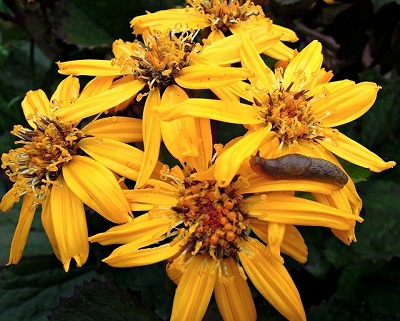 Signs that you have slugs living in your garden:
- If your plants have huge holes in their leaves, stems and flowers.
- Big chunks of vegetables are missing or there are holes in them.
- Seedlings are being destroyed.
- Slugs are nocturnal so if you see slime trails on your plant every morning you definitely have an infestation in your hands.
How to protect your Dorset garden from slugs:
- It is necessary to remember that slugs are an important part of your garden’s ecosystem and they can to be eradicated completely. All gardening activities and pest control must be strictly monitored.
- The best way to reduce the number of slugs is by using natural methods. A lot of microorganisms can get into the slug’s body through the soil and cause fatal diseases and death.
- Become friends with a hedgehog, they are natural predators who love to have slugs for breakfast. Altho we cannot guarantee the safety of all your vegetables.
- All chemical pesticides must be used as a last resort. Read very carefully the labels and strictly follow the instructions.
The Destroyers of Garden Flowers
Dorset gardeners have mixed feeling when it comes to the notorious earwig. This brown little insect, with strong pincers that sting painfully if you get too close, is both good and bad for your garden. In general, earwigs eat some of the common pests, but they also tend to destroy the flower petals and buds of most garden plants. Its most frequent victims are flowers and young leaves of chrysanthemums, clematis and dahlia which it loves to feast upon during the night.
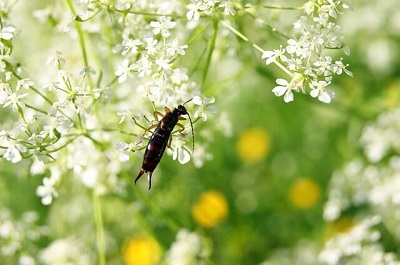 You have an earwig problem if:
- The flower petals of your plants are missing big chunks and have holes in them.
- The young leaves have been eaten.
- You can find the brown insect crawling on your flowers at night.
You can take the following action to save your garden:
- If you are brave enough you can remove the earwigs by hand. This way you will control the population and protect your flowers. But beware they are quite aggressive and if you have bug allergies avoid dealing with them directly.
- Be careful when using chemicals in your garden. Follow the gardening instructions and always remember that earwigs do some good in your garden and it is not a good idea to eliminate them completely.