

This website uses cookies so that we can provide you with the best user experience possible. Cookie information is stored in your browser and performs functions such as recognising you when you return to our website and helping our team to understand which sections of the website you find most interesting and useful.
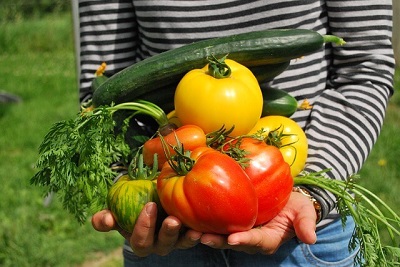 Dorset is a beautiful sunny country with a warm and pleasant climate. It is ideal for everybody who has decided to start their own vegetable garden. There are a lot of benefits of producing your own fresh food. You save money. You eat more healthy and you can brag in front of your friends about your perfect vegetables. Every aspiring gardener has to know the basics of vegetable growing before actually starting a garden on their own. So we decided to help all beginner gardeners and gather a quick and easy to follow guide on how to create the best vegetable garden in Dorset.
Make a Plan for Your Future Garden
The first step is deciding what to plant, and that is not so hard. The most important thing you need to remember is always best to start small. Don’t buy ten different types of plants and create big projects. Start with a small raised bed or container vegetable garden. They are easy to maintain plus you will need time to get to know all the plants and how best to take care of them.
When picking the right plants you need to consider the following:
- How big is your family and how many of its members will eat from your garden?
- There are some vegetables like tomatoes and squash that can provide you with food for the whole season.
- Vegetables like carrots and corn provide only once a year so you may need to plant a larger amount of them.
- Do you, or anybody in your family suffers from allergies? Be careful what vegetables you plant you don’t want to end up in the hospital.
Creating the Best Garden Space
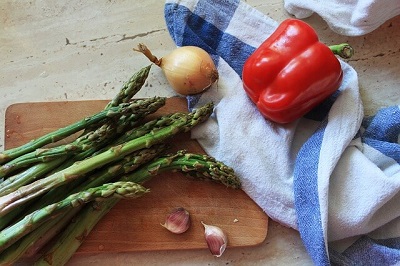 After you picked a couple of vegetables, you want to plant, it is time to plan your garden layout and how much space will you really need. Bear in mind that:
- In the beginning, you don’t need a lot of space.
- It is important to maintain some distance between the individual plants and the different types of vegetables.
- The position of your house matters. The closer the garden is, the easiest it will be to harvest.
- The more sunshine your vegetable receive, the faster they grow.
- Vegetables need a lot of watering, so the spot you pick must be easy water.
- The soil is one of the most critical components of the healthy garden. Make sure that it is compatible with the types of plants you want to grow.
- You need to use natural fertilisers for the best results.
- If you plant your vegetables in a row, you need to leave at least 18 inches between each plant so it will have enough space to grow.
How to Properly Care for Your Dorset Vegetable Garden
Most warm-season vegetables need to be watered every day, especially if you live in a sunny region. Here is some professional gardening advice that will help grow healthy crops:
- Vegetables need to be watered when the top inch of soil is dry.
- In-ground vegetables like carrots, need to be watered once or twice a week.
- Raised beds drain faster and require to be watered every other day.
- You need to remove weeds regularly. Be careful not to harm the leaves, stems or roots of your vegetables while removing the invaders.
- When it comes to harvesting follow the general rule; the more you pick, the more vegetables the plant will produce.
Protecting Your Vegetable Garden from Pests
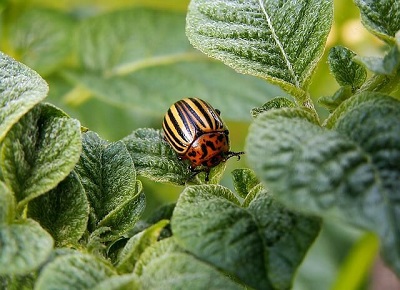
In a region with such rich wildlife as Dorset, you are bound to have problems with the local animals. Insects, of course, will be your both worst enemy and your best friend, depending on what plants do you grow. All in all, you can’t escape from garden pests, but there are still some things that you can do:
- Make fences and hedges around your garden to protect it from deer and rabbits.
- Use repellent for the more persistent animals like cats and foxes.
- There are many organic insecticides that you can use in your garden. They are non-toxic, so you are not putting endanger yourself or your garden’s delicate ecosystem
- A good solution to your bug problem is the usage of row covers. They are made out of very thin plastic, and essentially are big translucent sheets that you can use to cover your crops and protect them from pests.
- Always water the soil, not your vegetable leaves and stems. Otherwise, they may develop a fungal infection.