

This website uses cookies so that we can provide you with the best user experience possible. Cookie information is stored in your browser and performs functions such as recognising you when you return to our website and helping our team to understand which sections of the website you find most interesting and useful.
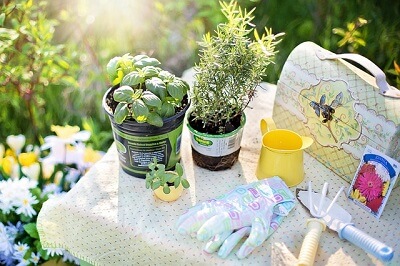 Summer has sadly over, and all of you plants are starting to slowly prepare for the cold winter. This is a great opportunity for you to begin planning some changes around your garden. Which plants you want to relocate or remove, and which new species you want to have, these are all questions that need a lot of thinking. Fortunately for you, the warm climate makes Dorset a great place for caring for a big variety of plants. One of the most desired and beneficial to the home are, of course, the herbs. You may have a plant or two of lavender or basil spread around your yard but why not create a whole new herb garden? It is quite easy and nothing more rewarding than spicing your meals with the herbs you have grown on your own.
Location, Location, Location
The herb garden must be located close to your kitchen. This is the universal rule for every good home cook. But let us not forget that herbs are living organisms and they need specific requirements to be fulfilled in order to grow properly. When you chose the perfect location, you need to consider the following factors:
- Watering. The garden has to have an easy access to a water source. It is not fun if you have to carry a bucket of water around your yard twenty times a day.
- Sunlight. Here you need to think about your plants. There are some species that need more light than others, so your garden must be able to provide both shade and sunspots.
- Shelter. Every so often even the northern wind can make its way to Dorset. You need to be able to provide some basic protection to your plants. That could be in the form of a hedge that keeps your plants sheltered from the cold winds.
- Soil. Fortunately, most herbs have the same requirements when it comes to the soil. It has to be sandy, free-draining. However, some herbs like basil thrive in moist soil, so our advice it to section your garden and use specialised soil and fertilisers for the species which need them.
- Flower beds. This is the best way to design a herb garden. Plants with similar needs can be put close to each other, and those that need more specific care can be divided from the others.
Carefully Choose the Herbs for Your Dorset Garden
The possibilities here are endless, there are so many different plant combinations that you grow. When picking the right herbs for your Dorset garden, bear in mind the following:
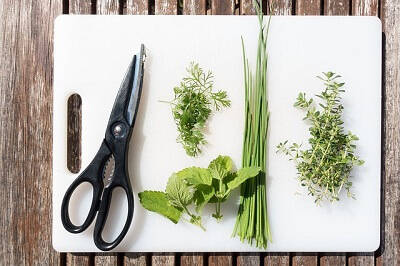 Rosemary and Sage prefer a sharply drained soil and little watering.
- One of the fastest spreading herbs is mint. So you may want to plant it in a separate pot, or else it will invade the whole garden.
- Thyme may be one of the easiest herbs to grow. It doesn’t need a lot of water, and you can basically live it to develop on its own.
- If you want to have lavender plants in your garden, you need to have space. So if you are planning on having a small garden maybe skip this one.
- Basil is one of the most loved herbs. Remember that this plant needs tots of water and sunlight. Plant it at more sheltered spots, but especially close to the kitchen as this is a frequently used culinary herb.
- When growing chervil makes sure to plant it in a nice shady spot, this plant does not tolerate direct sunlight.
- A surprise shade-lover (when grown in the UK) is the dill. Make sure to put it in a place where it will have partial shade.
When to Plant Your Herb Garden in Dorset
The good news is that most plants can grow in pots and containers in the home or your greenhouse if you have one. The basic rule is that herbs can be planted outside when the soil is warm enough. This is usually in mid-spring. Depending on the type of herbs you have chosen to care for you can seed them at the end of Autumn so they will have enough time to grow and start their new life outside.
You can get herbs in one of the following ways:
- From seed – you can usually buy seed packets from your local gardening centre.
- From division – you can easily dig a perennial plant’s root system, take a part of it and plant it in a new pot;
- From cuttings – taking stem cuttings and grow them is the way to cultivate herbs like thyme and mint.
Altho the Dorset weather in winter is not as cold as the one in the North, gardening professionals advice not to leave the containers with the young plants outside.