

This website uses cookies so that we can provide you with the best user experience possible. Cookie information is stored in your browser and performs functions such as recognising you when you return to our website and helping our team to understand which sections of the website you find most interesting and useful.
 Garden pests are a nightmare for every British gardener but especially if they are not native to the UK. The warm Dorset climate and the moderate humidity are perfect conditions for the development and growth of those buggy immigrants. We have included some of the most persistent and harmful pets that were introduced to Great Britain in the past few years.
The Garden Samurai
The tiny Pieris lacebug comes from the land of the rising sun and it was first detected in the UK in 1998. Most probably these bugs came travelling from Japan cleverly hidden in the Pieris plants almost two decades ago. The Pieris lacebug, also called andromeda lacebugs, is about 3 millimetres in length and has shiny transparent wings. The nymphs, on the other hand, don’t have wings but a dark spiny body. They attack Peiris and Rhododendron plants and both nymphs and adult specimens can be found sucking sap and damaging leaves. These pests are active from early May to late October.
You can easily detect them:
- Your plants are losing their leaves fast. The bug can clear a plant in a matter of hours depending on how big the colony is.
- The underside of the leaves is discoloured, and you can find a lot of dark spots.
- You can actually see all forms of the insect crawling on your precious plants.
How to protect your garden from the Pieris lacebug:
- Unfortunately, due to the fact that this insect is non-native to the UK, there are no non-chemical ways to get rid of it.
- Many pesticides can be used in the battle against this garden pest, but the initial treatments have to start in early May when the nymphs have just hatched.
The Daylily Killer
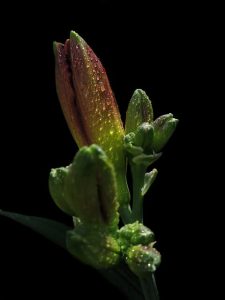 The Hemerocallis gall midge is a gayish flying insect native to southern and eastern Europe and is first introduced to the UK in the 90s. It loves all Hemerocallis species and poses a significant trait to all gardens in Dorset. The larvae of the daylily gall midge are the ones causing all the damage. It lives inside the flower buds and slowly eats them and causes them to rot, which means that the plant is unable to develop flowers at all. The larvae start to hatch in late May till early July and that, unfortunately, is in the same time as the blooming of the Daylilies.
What are the symptoms of an infected plant:
- The infested flower buds have an unusual form, they are shorter and more round.
- The deformed buds can’t open and slowly die either rot or fell dried out.
- If you open one of these buds, you will find a horde of transparent maggots eating from the inside your beautiful plant.
What can you do to save your Daylilies:
- The one thing that you can do and that will definitely have a positive effect is to collect and destroy the infected flower buds.
- DO NOT spray with pesticides or insecticides an open flower because it is extremely dangerous for all pollinating insects.
The Dorset Garden Destroyer from New Zealand
The Golden root mealybug was first recorded in the UK in 2012 and since then has become one of the biggest traits to gardens and greenhouses on the island. This nasty little insect feeds from the sap of the plants directly attacking the roots. And the worst part is it can survive the winter cold, so basically, it can damage your plants all year round. The Golden root mealybug can be easily spotted after you pull out the damaged plant. It is a gold coloured insect, around 3 mm long that is covered in wax and is stuck to the roots. Since the little bug lives in the soil they are quite hard to spot, but look for the following:
- The infested plants typically lack vigour and may have a hard time to create a bud or bloom.
There are no other specific symptoms and it will be hard for novice gardeners to determine if they have a mealybug problem. Seek professional gardening advice any time you have the slightest suspicion.
What measurements can you take in order to protect your garden:
- Not much, there are no pesticides or insecticides that can be used to kill a colony of Golden root mealybugs. The only thing you can do is to remove and burn the infected plants.
All of the insects listed here are under surveillance by The Royal Horticultural Society. All British gardeners that have noticed these pests in their gardens are kindly asked to report them to the RHS. It is important to gather information and develop a plan on how to best deal with these non-native plant eaters.
If you want to know about the most common garden pests that you can encounter in Dorset, visit part one: Fast Ways to Determine If Your Dorset Garden Is Infested With Pests, Part 1