

This website uses cookies so that we can provide you with the best user experience possible. Cookie information is stored in your browser and performs functions such as recognising you when you return to our website and helping our team to understand which sections of the website you find most interesting and useful.
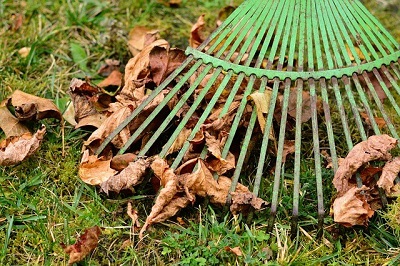 Autumn is here, and it is time to prepare your Bournemouth garden for the slowly declining temperatures. As the weather cools your garden plants mature and move towards the long hibernation period during the winter months. To have a beautiful, healthy garden, wordy for an award from one of Bournemouth’s famous garden competitions you need to make some preparations.
Start With a Garden Examination
The first thing you need to do is make a checklist with all the garden chores you need to compleat. To do that, go on a walk around your garden and carefully look for:
- Patches of discoloured soil that needs soil amendments;
- Herbs that need to be moved inside;
- Overgrown plants that need to be separated;
- Plants that need to be moved indoors;
- From which plants you need to collect seeds;
The Big Garden Move
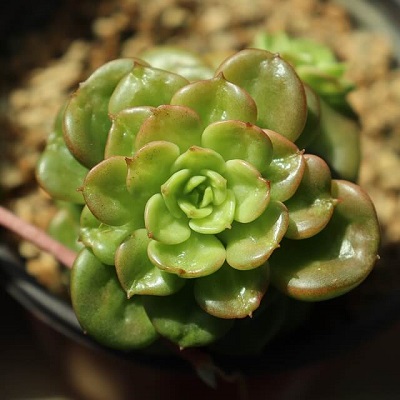
One of the most important things you need to do to assure the survival of your Bournemouth garden is to carefully sort the plants and decide which are going inside and which can survive the cold. Fortunately, the Bournemouth winters are not as harsh as these in the northern parts of the island, and a lot of plants can survive outside. You need to be careful with the following:
- Some plants may need to adapt to the new conditions in the home. First, place them in a shady spot in your garden for a couple of days. Then bring them to the home.
- Once in the house, cut the overgrown parts of the plant;
- The plants may need some additional fertiliser;
- Be careful not to bring some garden pests in the home. Inspect every pot before bringing it to the house;
- Place your herbs in the kitchen;
- If you need to remove plants from their flower beds and place them in pots, be very careful not to harm the root system or the stems.
Take Care of the Soil in Your Bournemouth Garden
After you move the plants indoors, you need to take proper care of your garden’s soil. The good soil is one of the most important conditions to have a healthy garden. Autumn is the best time to add soil amendments. The slow releasing fertiliser will enhance the soil quality throughout the cold months and during spring and summer, your plants will feel nourished and healthy.
If you don’t want to use chemicals in your garden, a great way to enrich the soil is with natural fertilisers such as mulch, manure, and compost. They are all organic and can be used in big quantities in autumn to assure high soil richness during the warm months.
Weed Control in Your Garden
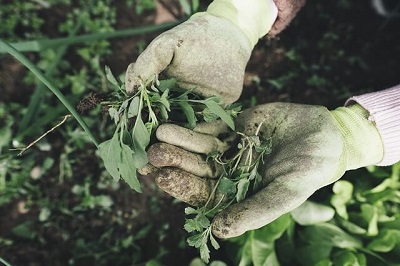
Removing the weeds from the garden is a vital task because during the cold months the soil has little nourishing qualities. If your plants need to share them with the intruders, it will be a hard and tiring battle for survival.
One of the most important gardening advice considers the applying weed killers twice a year in order to take proper care for your lawn. In Autumn you need to use the week killer to remove the seeds that have landed in your garden in the summer. If done properly, you will have fewer weed problems in the spring. Be aware that the weed killer is dangerous for your pets, so don’t let them in the garden for a couple of hours.
Collecting Seeds for the Next Year
Autumn is the season where you start to prepare for the next year’s plants. This means you need to take cuttings from your fruit trees and shrubs and start growing them. If you want to take seeds, now is a perfect time. In order to collect seeds, you need to leave a couple of flowers or fruits on the plant and not harvest them. Let them dry out on the plant, then it is gathering time. Fruits that have ripened on the plant will have mature seeds that can be collected by soaking the fruit in water. Then you need to remove the pulp. The weaker seeds will float to the top, and you need to remove them. Gather the stronger, heavier seeds and spread them on a towel to dry out. After that, they are ready to be planted.